
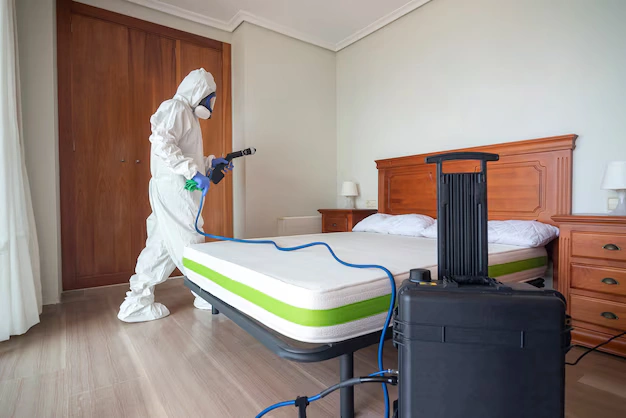
Bed Bug Control — What Vancouver Residents Need to Know
Bed bugs are among the most difficult pests to manage. Treatment, removal, and prevention require expertise beyond anything you'll find in online DIY guides. Both the resident (or landlord) and a licensed exterminator must take coordinated control measures to achieve lasting results.
Preventative Control Measures
Bed bug-specific insecticides must be applied to all affected areas — standard termite or general-purpose pesticides are ineffective against bed bugs. Immediate actions include:
- Vacuum bedding and rugs; replace and discard the vacuum bag immediately after
- Remove contaminated mattresses if the infestation is severe
- Wash and dry drapes and bedding at 120°F (49°C) — heat kills bed bugs
- Separate sleeping arrangements until the issue is fully resolved
- Seal baseboards, pipe penetrations, and wall crevices
- Only use pesticides with a Health Canada PCP registration number
Bed Bug Bite Symptoms
Bed bug bites look like mosquito bites — small, round, red rashes or bumps — but they itch and swell faster. Common symptoms include:
- White bumpy skin protrusion with abnormal itching
- Skin rashes and blisters
- Dry rashes similar to skin allergies, which can spread if untreated
- Risk of secondary infections from scratching
- Possible psychological and allergic reactions
Because bed bugs' saliva contains an anesthetic, you may not feel the bite for up to 60 minutes. Some people don't develop a visible reaction for 2–14 days. Over 60% of people show no reaction at all, which is why a professional inspection is critical — you may have bed bugs without visible bites.
How to Detect Bed Bugs
- Rashes: Itchy bumps or atypical skin rash
- Dark spots: Sand-like black fecal deposits in fabric folds
- Blood spots: Small blood stains on sheets or pillowcases
- Exoskeletons: White or translucent shed skins in dark crevices
- Odour: A musty, unpleasant smell from their scent glands
- Live insects: Immature bed bugs are 4–5mm long and visible to the naked eye
Inspection Methods
Bed bugs must be detected early to prevent a major infestation. Metro Pest Control uses three inspection approaches:
Visual Inspection
A detailed examination of bedding, mattress seams, box spring folds, furniture joints, and wall crevices for eggs, shed skins, fecal matter, and live insects.
K9 / Dog Inspection
Highly trained dogs detect bed bugs by their unique scent — ideal for large-scale infestations in hotels, apartment buildings, and offices where visual inspection alone is insufficient.
Trap Inspection
Passive traps (no attractants) and active traps (carbon dioxide, pheromone, heat) are deployed to capture and monitor bed bug activity, particularly in communal settings.
Bed Bug Treatment Options
Chemical Treatment
Various registered pesticide formulations (pyrethrins, pyrethroids, neonicotinoids, and insect growth regulators) are available. However, some bed bug populations have developed resistance. Sprays can drive bugs deeper into hiding, which is why professional application is essential — we know where and when to apply for maximum effect.
Steam Treatment
Thermal treatment (steam at 113°F / 45°C and above) kills bed bugs and eggs on contact. This complex procedure must be performed by a professional using commercial-grade equipment. It is highly effective on mattresses, furniture, and fabric surfaces.
Heat Treatment
Heat treatment is considered the most effective bed bug solution available. Because bed bugs cannot survive above 80°F (27°C), specialized equipment is used to raise the ambient temperature of an affected room to 125–135°F (52–57°C). This kills all life stages — eggs through adults — with no place to escape. Metro Vancouver homeowners frequently choose heat treatment for its thoroughness.
Freezing (Cryonite) Treatment
Cryonite technology sprays a minus 110°F (–79°C) CO₂ coolant on infested areas, freezing bed bugs to death instantly. This chemical-free method is environmentally friendly and effective in electronics, server rooms, or areas where heat treatment isn't feasible.
Understanding Ineffective Treatments
Not all treatments are equal. Before choosing a method, determine the severity of your infestation and whether the treatment will fully resolve it. Consumer-grade sprays and DIY kits are consistently ineffective — most Metro Vancouver residents who attempt DIY bed bug treatment fail and end up requiring professional intervention afterward. Call us first.
Keeping Bed Bugs Out
- Periodically clean, dry, and inspect all bedding on high heat
- Prevent bedding from contacting walls or floors
- Cover mattresses, box springs, and old furniture with vinyl encasements
- Vacuum carpets, drapes, and upholstery weekly
- Seal baseboards and pipe penetrations
- When travelling, inspect hotel mattresses, headboards, and box springs before settling in
- Wash all clothing immediately after returning from travel
- Never bring used mattresses, beds, or box springs into your home